
14:39
While most of us consider urine nothing more than waste, scientists are uncovering its potential as a valuable resource. Recent research has unveiled innovative ways to transform urine's chemical components into high-value products, challenging our perception of this often-overlooked substance.
One particularly promising discovery involves the use of yeast to produce hydroxyapatite (Hy-DROX-ee-AP-eh-tyte), a calcium-based mineral crucial for bone strength. Surgeons and dentists already utilize hydroxyapatite in bone and tooth repairs, and its applications extend to the construction industry, where it can contribute to sturdy building materials. This finding holds immense value, as it allows us to transform waste into something both beneficial and economically viable.
Beyond hydroxyapatite, researchers are exploring various profitable byproducts derived from urine. The nitrogen and phosphorus present in urine can be harnessed to create fertilizers, while its breakdown yields ammonia and urea, essential chemicals used in numerous industrial processes. These discoveries underscore the diverse applications of urine and its potential to contribute to a more sustainable future.
Changing societal attitudes towards urine is crucial for unlocking its full potential. Currently, cities view it primarily as a problem requiring disposal. However, recognizing urine's inherent value can lead to innovative waste management practices. Instead of treating it solely as waste, cities could invest in processing facilities that extract valuable byproducts like hydroxyapatite and fertilizers.
The conversion of urine into high-value products offers significant economic advantages. The estimated market value of hydroxyapatite derived from urine surpasses that of traditional fertilizer, incentivizing cities to adopt new water processing techniques. This shift towards a circular economy, where waste is transformed into valuable resources, holds immense promise for reducing environmental impact and promoting sustainable development.
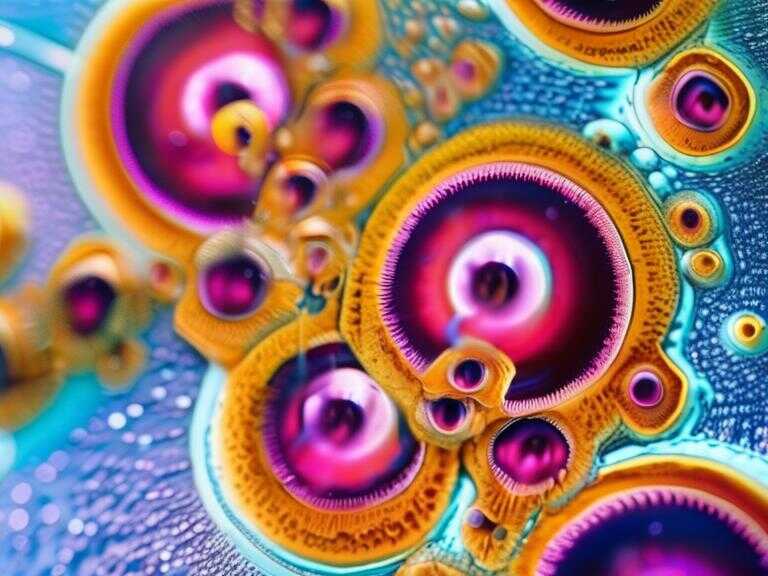
Yeast plays a pivotal role in this innovative process. Researchers have discovered that a specific yeast strain, dubbed "osteoyeast," can efficiently convert minerals from urine into hydroxyapatite. This yeast-based approach surpasses traditional bacterial methods, yielding a higher concentration of hydroxyapatite while minimizing unwanted byproducts.
The potential applications of urine extend beyond Earth. Researchers envision the use of osteoyeast on the International Space Station to process astronaut waste. Current recycling processes rely on harsh chemicals, but yeast-based systems offer a safer and more environmentally friendly alternative.
As we delve deeper into the possibilities offered by urine, it becomes evident that this often-disregarded substance holds immense potential. From medical applications to sustainable waste management and even space exploration, urine's diverse capabilities are revolutionizing our understanding of resource utilization and paving the way for a more sustainable future.
Share news
Copyright ©2025 All rights reserved | PrimeAi News